

If you’re an entrepreneur you hear of Y Combinator all the time.
It’s either the daily struggle for upvotes on HackerNews and looking out for cool content on startups, the “How to start a startup” video series, Paul Graham’s ‘yoda’ like advice for entrepreneurs, not to mention all the successful startups that have been through Y Combinator such as Dropbox, Airbnb or even 9GAG.
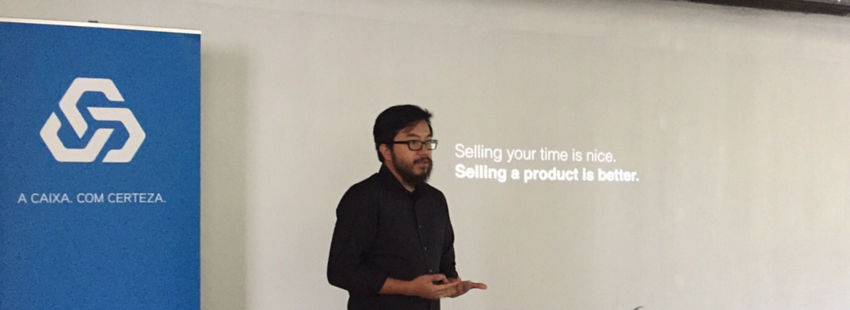
The name kind of speaks for itself… So, when you hear that Garry Tan, former Partner at Y Combinator and founder of one of the most interesting blogging platforms ever called Posterous, later acquired by Twitter, is coming to Lisbon for a talk, you know it’s gotta be good.
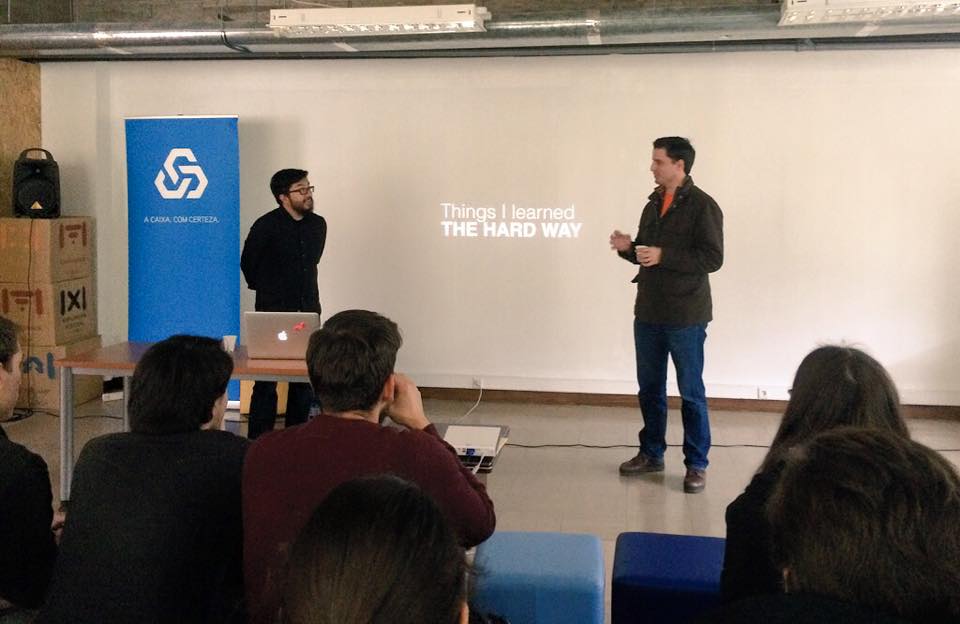
Now, let’s just cut the chase and go straight to the point, because what we’ve learned in this one hour talk was too good not to be shared.
Garry gave a talk on all of the things he learned the hard way and talked about his experience at Posterous, a cool blogging platform, invested by Y Combinator and later acquired by Twitter, which ended up shutting it down after the acquisition.
Here are his lessons learned and advice from his own experience:
1. Big mistake: Turning down a Peter Thiel’s offer
As it turns out, when Garry was working for Microsoft, he had an offer from Peter Thiel to join him at Palantir as the first engineer co-founder. According to Garry, Peter Thiel was sure that joining a startup was the best thing for Garry and he offered him an 80.000 dollars a year salary. However, Garry still turned it down.
Palantir is now a 20 billion dollar company and if Garry had taken Peter Thiel’s offer, even if he had just 1% of equity, he would have made 200 million dollars. “I’m pretty sure I made the biggest mistake, monetarily speaking, compared to anyone in this room”.
2. Be Contrarian
So, why did Garry let this huge opportunity pass? Because you usually make decisions based on what you know, on what you read, hear or see, mostly in the press. As a recent graduate, Garry based his decision of turning down Peter Thiel’s offer on what he knew as a young software engineer. Sometimes the things you see on the mainstream media and blogs is this third hand accounts of what happened 6 months ago. As Garry Tan puts it: “you always have to back to what you really believe”. He turned down an amazing offer because he didn’t value enough the people and the idea was something that he never heard of in the press before.
Word of advice: talk to people who are doing new things and evaluate, don’t just focus on what you see, hear or read.
3. People will think you’re stupid
Like Garry explained, all great ideas seem stupid initially. When the ipod came out people questioned all that hype just for an MP3 player, Twitter was considered by some the dumbest thing ever, while Facebook got a lot of question marks when it came to the business model.
In the end, most people will question your product and show some resilience. You just need to find the sweet spot between what it seems like a bad idea and a good idea. Palantir, in the beginning, didn’t seem like a great idea but it was.
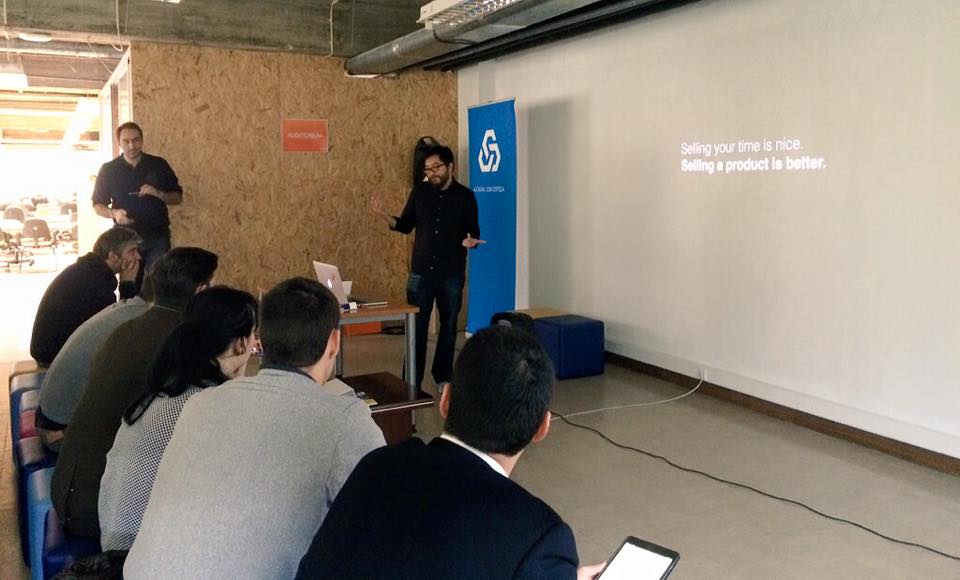
4. Selling your time is nice but selling your product is better
Scalability always plays a key role when you’re an entrepreneur. You can choose to sell your time, be a consultant and not scale or you can build a product, sell it and scale it. It’s all about building great products that people want and selling it.
5. Having a startup is like playing Katamari Damacy
When you have a startup you gradually evolve to the next stage. Garry compares it to this Japanese game called Katamari Damacy. But instead of collecting objects with a giant ball, you end up picking up co-founders, customers, and capital.
6. Do everything. Don’t box yourself in
When building a startup you’re not just one part, one tool, you do a bit of everything, you become a multi-tool. You might be a really good engineer but just like Garry puts it: “you need to think of yourself also as a product person, as a marketing person and also as a designer”.
In general society and universities label you to do one thing, to be good at one thing, because that’s what companies want. But in the end, “we’re all people, we’re not machines, we’re not small parts within the machine”. You’re much more valuable if you’re great at one particular thing and then pretty good at a lot of different things.
7. When you’re small, act small
Again, scalability is an important factor. But, when you’re just getting started, doing unscalable things, is the only thing that will get you off the ground, according to Gary (Paul Graham has talked about this as well). Don’t act like a big company if you’re not because there’s much to lose.
When you’re smaller than all of your competitors, you can engage much more with your customers and give them a better experience. You can answer emails really fast, even the CEO can do it, and that definitely makes a difference. It’s all about the experience, creating a connection, providing a great service, not really if it’s scalable or not.
8. It’s all about fanatical customer support
This ‘acting small approach’ brings us to customer support. If you answer every single email, if you feel the pain your users are experiencing, you’ll get much better results. As Gary said: “if one person emails you, there are probably are 10 or 100 who have failed there”.
And remember to be thankful, because these customers are doing you a favour. It’s valuable feedback that you need to take into account and when you fix it asap, they’ll love you for it.
According to a study of Usenet New Posters, of the newcomers who post and get no reply 16% came back, while those who get a reply, 26% came back. In the end, that’s a 10% in growth rate that will give you a hockey stick in 24 months.
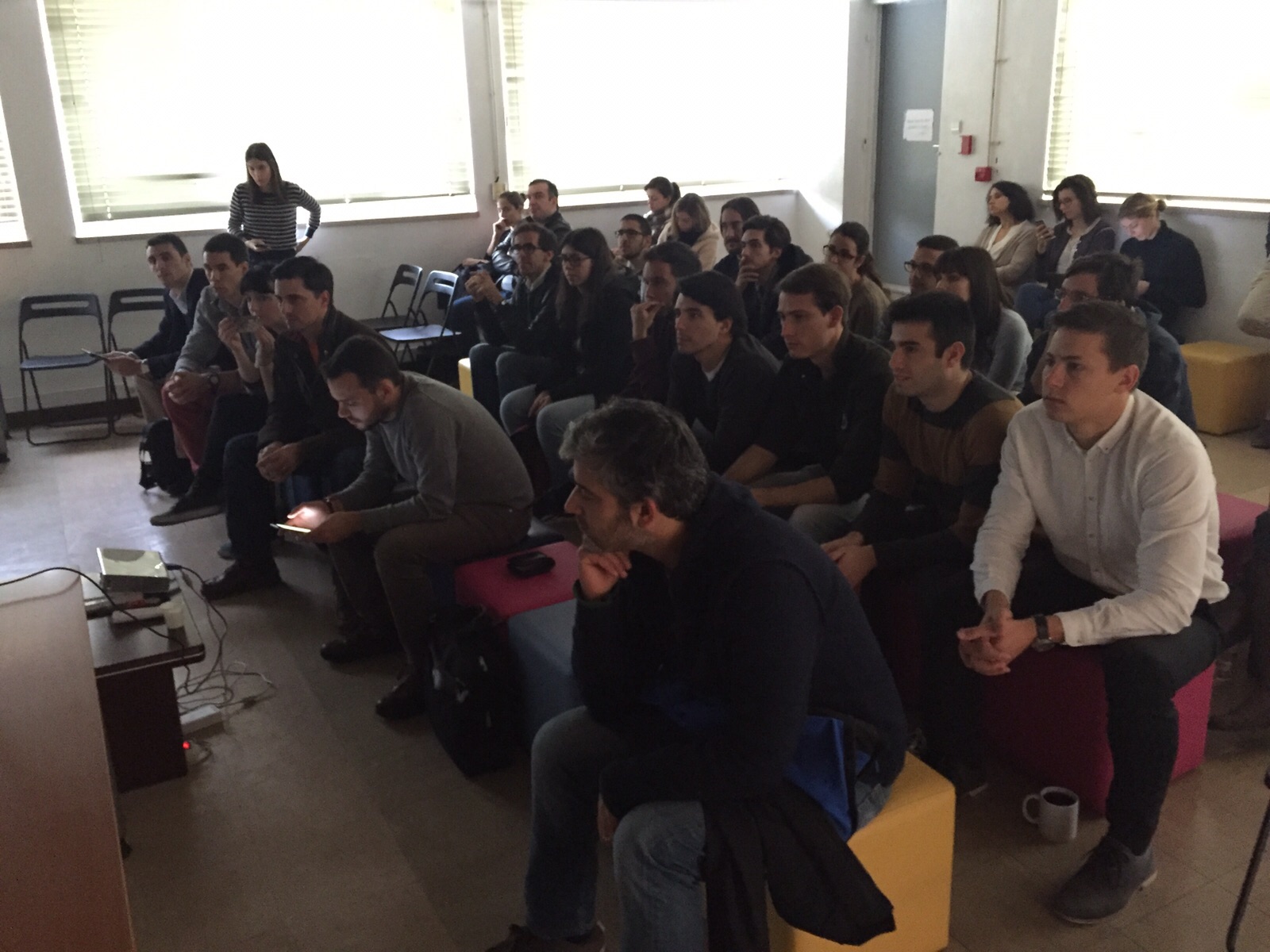
So, there you go. This was just a word of advice from someone who is quite familiar with startups and entrepreneurs. We were just lucky enough to get Garry to drop by our office.
If you missed it you can always check out the videos of the talk on Periscope right here:
Part 1
Part 2
P.S.: A big thanks to the Unbabel team who introduced us to Garry, to Garry for spending an hour during this holidays with us and to everybody else who joined us for the talk.







Leave A Comment